Organization News
- OPA National Poetry Month Contest for Members OnlyA new poetry contest opens on March 10 through April 14th for OPA members only in celebration of National Poetry Month. The contest has been sponsored by an anonymous donor.… Read more: OPA National Poetry Month Contest for Members Only
- OPA Contest Results 2025OPA Contest Results 2025 Spring OPA National Poetry Month Contest (judged by Emmet Wheatfall) 1st Place: Ann Heath, “Mary Magdalene Has Second Thoughts about Jesus” 2nd Place: “Reckoning” by Sherri… Read more: OPA Contest Results 2025
- OPA 2025 Conference Workshops Announced!This year there are twelve workshop sessions, including four with either Spanish or Bilingual presentations. We will be posting a detailed description of each presentation with a biography of the… Read more: OPA 2025 Conference Workshops Announced!
- OPA Changes to Constitution and Bylaws – ApprovedAt the 2024 annual meeting, members had approved a motion to allow making changes to the OPA Constitution and Bylaws through a secure poll sent to current members. After an… Read more: OPA Changes to Constitution and Bylaws – Approved
- Call for New OPA Board Members – open until July 31st2026 will be the 70th anniversary of the founding of the Oregon Poetry Association! There could be no better year for you and your colleagues to consider joining the OPA… Read more: Call for New OPA Board Members – open until July 31st
Community Calendar
- SU
- MO
- TU
- WE
- TH
- FR
- SA
- 29Poetry in the Round12:30 pm - 2:00 pmA casual weekly meeting of poets and the poetry-curious started in fall 2024. We gather to share poetry—our own and others, classics to hot-off-the-press—in a comfy corner of the Coburg Commons Bookstore & Community Center. Read if you like, or just listen and enjoy. , ...Humble Poets’ Open Mic4:00 pm - 6:00 pmThe Humble Poets’ Open Mic will be at The Stacks Coffeehouse on the last Sunday of each month, 4:00-6:00pm. The featured reader for May is Frederick Livingston. We are encouraging poets and storytellers to come share their works, and musical accompaniments are welcome as well. The address is 1831 N. Killingsworth , ...
- 30
- 31
- 1
- 2Salem Poetry Project featuring December First Writers7:00 pm - 9:00 pm
 The December First Writers, a Portland, Oregon-based collective of poets and writers named for World AIDS Day, has been giving readings since 2013 on the personal impact of AIDS/HIV on their lives. They are dedicated to education, dialogue, community-building, and raising awareness & support for AIDS organizations , ...
 - 3EARLY BIRD SPECIAL: 2026 Next Generation Short Story AwardsAll Day
 The Next Generation Short Story Awards is a not-for-profit awards program open to authors writing original unpublished short stories in English. Submissions accepted: Short stories and poems (5,000 words or less) Categories: 30+ Deadline: February 26, 2026 Winners’ Prizes: Winners in each category receive , ...Mid-Valley Poetry Society Reading5:00 pm - 7:00 pmPoets from the Mid-Valley Poetry Society will present a reading at the Albany Regional Museum in celebration of National Poetry Month. , ...
 - 4
- 5Poetry in the Round12:30 pm - 2:00 pmA casual weekly meeting of poets and the poetry-curious started in fall 2024. We gather to share poetry—our own and others, classics to hot-off-the-press—in a comfy corner of the Coburg Commons Bookstore & Community Center. Read if you like, or just listen and enjoy. , ...
- 6
- 7
- 8Poetry Night at McMinnville Public Library6:00 pm - 8:00 pmSince 2013 we’ve been meeting once a month in McMinnville. We start each evening with a reading from a featured poet, followed by an open mic from the audience. In 2025, we meet on the 2nd Thursday of every month at 6 pm. 2025 Featured Poets Jan 9: Richard Robbins Feb 13: Bethany Lee Mar 13: John Van Dreal Apr , ...Prompt at Powell’s City of Books6:00 pm - 12:00 amPrompt is an 8-week writing group full of freewriting, listening, and strengths-based feedback, hosted behind-the-scenes at Powell’s City of Books! With accountability and community built in – as well as a huge selection of books for inspiration – you’ll be sure to come away with tons of new ideas. , ...
- 9Prompt at Powell’s City of BooksAll DayPrompt is an 8-week writing group full of freewriting, listening, and strengths-based feedback, hosted behind-the-scenes at Powell’s City of Books! With accountability and community built in – as well as a huge selection of books for inspiration – you’ll be sure to come away with tons of new ideas. , ...Salem Poetry Project featuring Legends From Camp by Lawson Fusao Inada7:00 pm - 9:00 pm
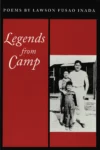 Legends from Camp is a 1992 book of poetry by Lawson Fusao Inada that explores the Japanese American internment experience during WWII, jazz, and American history, winning the 1994 American Book Award. The book will be read by three local poets, Nitza Hernandez, Siomonn DeLeon, and Marc Janssen. April 2 through April 2 , ...
 - 10EARLY BIRD SPECIAL: 2026 Next Generation Short Story AwardsAll DayThe Next Generation Short Story Awards is a not-for-profit awards program open to authors writing original unpublished short stories in English. Submissions accepted: Short stories and poems (5,000 words or less) Categories: 30+ Deadline: February 26, 2026 Winners’ Prizes: Winners in each category receive , ...Prompt at Powell’s City of BooksAll DayPrompt is an 8-week writing group full of freewriting, listening, and strengths-based feedback, hosted behind-the-scenes at Powell’s City of Books! With accountability and community built in – as well as a huge selection of books for inspiration – you’ll be sure to come away with tons of new ideas. , ...Petrichor’s Child: Within and the Written6:30 pmAn active poetry workshop entitled Petrichor’s Child: Within and the Written will be held monthly on the second Monday of every month, beginning Monday February 10th at 6.30 at Portland Arts Collective, in downtown Portland at 122 NW Couch Street. There are resources guiding our practice and a unique visual monta , ...
- 11Poetry Along the Columbia River GorgeAll Day
 Poetry Along the Columbia River Gorge Save the Dates: April 11 & 12, Saturday and Sunday A pop-up Celebration of Words and Vision will be shown along the Columbia River Gorge. Poetry and art will be along two Car Free trails of Historic Columbia River Highway ~paved and accessible. More information: https://gorgepe , ...Prompt at Powell’s City of BooksAll DayPrompt is an 8-week writing group full of freewriting, listening, and strengths-based feedback, hosted behind-the-scenes at Powell’s City of Books! With accountability and community built in – as well as a huge selection of books for inspiration – you’ll be sure to come away with tons of new ideas. , ...
- 12Poetry Along the Columbia River GorgeAll DayPoetry Along the Columbia River Gorge Save the Dates: April 11 & 12, Saturday and Sunday A pop-up Celebration of Words and Vision will be shown along the Columbia River Gorge. Poetry and art will be along two Car Free trails of Historic Columbia River Highway ~paved and accessible. More information: https://gorgepe , ...Poetry in the Round12:30 pm - 2:00 pmA casual weekly meeting of poets and the poetry-curious started in fall 2024. We gather to share poetry—our own and others, classics to hot-off-the-press—in a comfy corner of the Coburg Commons Bookstore & Community Center. Read if you like, or just listen and enjoy. , ...Prompt at Powell’s City of BooksAll DayPrompt is an 8-week writing group full of freewriting, listening, and strengths-based feedback, hosted behind-the-scenes at Powell’s City of Books! With accountability and community built in – as well as a huge selection of books for inspiration – you’ll be sure to come away with tons of new ideas. , ...The Studio Series Poetry Reading & Open Mic7:00 pm - 7:00 pmFeaturing John Miller and Diane Corson John Miller’s chapbooks Andes and Olympic were published by The Poetry Box in 2025 and 2022. His poetry was featured at the Elisabeth Jones Art Center’s Festival of Feelings and the Connecticut Poetry Festival. He has placed in the Oregon Poetry Association contests, and his poem , ...
- 13Prompt at Powell’s City of BooksAll DayPrompt is an 8-week writing group full of freewriting, listening, and strengths-based feedback, hosted behind-the-scenes at Powell’s City of Books! With accountability and community built in – as well as a huge selection of books for inspiration – you’ll be sure to come away with tons of new ideas. , ...
- 14Prompt at Powell’s City of BooksAll DayPrompt is an 8-week writing group full of freewriting, listening, and strengths-based feedback, hosted behind-the-scenes at Powell’s City of Books! With accountability and community built in – as well as a huge selection of books for inspiration – you’ll be sure to come away with tons of new ideas. , ...
- 15Prompt at Powell’s City of BooksAll DayPrompt is an 8-week writing group full of freewriting, listening, and strengths-based feedback, hosted behind-the-scenes at Powell’s City of Books! With accountability and community built in – as well as a huge selection of books for inspiration – you’ll be sure to come away with tons of new ideas. , ...
- 16Prompt at Powell’s City of BooksAll DayPrompt is an 8-week writing group full of freewriting, listening, and strengths-based feedback, hosted behind-the-scenes at Powell’s City of Books! With accountability and community built in – as well as a huge selection of books for inspiration – you’ll be sure to come away with tons of new ideas. , ...In Memory Reading Series7:00 pm - 9:00 pmLive featured poet series, with open mic. This month the feature is celebrated Oregon poet Emmett Wheatfall Hawthorne Hideaway (Red Room performance space) 2221 SE Hawthorne Blvd. , ...Salem Poetry Project featuring7:00 pm - 9:00 pm
 Stinky Bagels Poetry Club is an anarchist society- or so the poets of Corban University would like to believe. The longest-running poetry club in our region, Stinky Bagels has existed for 30 years as a haven for the eccentric and the imaginative. Today’s students speak with an eclectic mix of voices, ushering a n , ...
 - 17EARLY BIRD SPECIAL: 2026 Next Generation Short Story AwardsAll DayThe Next Generation Short Story Awards is a not-for-profit awards program open to authors writing original unpublished short stories in English. Submissions accepted: Short stories and poems (5,000 words or less) Categories: 30+ Deadline: February 26, 2026 Winners’ Prizes: Winners in each category receive , ...Prompt at Powell’s City of BooksAll DayPrompt is an 8-week writing group full of freewriting, listening, and strengths-based feedback, hosted behind-the-scenes at Powell’s City of Books! With accountability and community built in – as well as a huge selection of books for inspiration – you’ll be sure to come away with tons of new ideas. , ...
- 18Prompt at Powell’s City of BooksAll DayPrompt is an 8-week writing group full of freewriting, listening, and strengths-based feedback, hosted behind-the-scenes at Powell’s City of Books! With accountability and community built in – as well as a huge selection of books for inspiration – you’ll be sure to come away with tons of new ideas. , ...
- 19Poetry in the Round12:30 pm - 2:00 pmA casual weekly meeting of poets and the poetry-curious started in fall 2024. We gather to share poetry—our own and others, classics to hot-off-the-press—in a comfy corner of the Coburg Commons Bookstore & Community Center. Read if you like, or just listen and enjoy. , ...David Hedges Book Launch3:00 pm - 6:00 pm
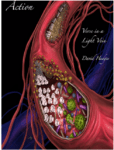 Capillary Action: Verse in a Light Vein Mother Foucault’s Bookshop, 715 SE Grand Avenue, Portland Sunday, April 19, 3:00PM One thing is certain in this troubled world: Laughter beats the pants off gloom and doom. As poet David Hedges, a master rib-tickler, informs the reader in his title poem: “Gravity is for the gra , ...Prompt at Powell’s City of BooksAll DayPrompt is an 8-week writing group full of freewriting, listening, and strengths-based feedback, hosted behind-the-scenes at Powell’s City of Books! With accountability and community built in – as well as a huge selection of books for inspiration – you’ll be sure to come away with tons of new ideas. , ...
 - 20Prompt at Powell’s City of BooksAll DayPrompt is an 8-week writing group full of freewriting, listening, and strengths-based feedback, hosted behind-the-scenes at Powell’s City of Books! With accountability and community built in – as well as a huge selection of books for inspiration – you’ll be sure to come away with tons of new ideas. , ...
- 21Prompt at Powell’s City of BooksAll DayPrompt is an 8-week writing group full of freewriting, listening, and strengths-based feedback, hosted behind-the-scenes at Powell’s City of Books! With accountability and community built in – as well as a huge selection of books for inspiration – you’ll be sure to come away with tons of new ideas. , ...
- 22Prompt at Powell’s City of BooksAll DayPrompt is an 8-week writing group full of freewriting, listening, and strengths-based feedback, hosted behind-the-scenes at Powell’s City of Books! With accountability and community built in – as well as a huge selection of books for inspiration – you’ll be sure to come away with tons of new ideas. , ...National Poetry Month! Freewrite: In-Person Writing Circle6:00 pm - 8:00 pmCreate and share poetry in this all-levels writing circle during National Poetry Month! Enjoy guided prompts and strengths-based feedback in the relaxed atmosphere of Dovetail Cellars. Charcuterie, wine, and nonalcoholic drinks will be available for purchase! , ...
- 23Prompt at Powell’s City of BooksAll DayPrompt is an 8-week writing group full of freewriting, listening, and strengths-based feedback, hosted behind-the-scenes at Powell’s City of Books! With accountability and community built in – as well as a huge selection of books for inspiration – you’ll be sure to come away with tons of new ideas. , ...Salem Poetry Project featuring the “What is Oregon Poetry” Conversation7:00 pm - 9:00 pm
 This evening will be a panel discussion about the regional identity Oregon poets. What does that even mean? The panel will include Dale Champlin, publisher of Just a Lark Books, editor of Verseweavers, and coordinates Head for the Hills a bi-monthly poetry event. Lex Runicman is the author of several books and professo , ...
 - 24EARLY BIRD SPECIAL: 2026 Next Generation Short Story AwardsAll DayThe Next Generation Short Story Awards is a not-for-profit awards program open to authors writing original unpublished short stories in English. Submissions accepted: Short stories and poems (5,000 words or less) Categories: 30+ Deadline: February 26, 2026 Winners’ Prizes: Winners in each category receive , ...Prompt at Powell’s City of BooksAll DayPrompt is an 8-week writing group full of freewriting, listening, and strengths-based feedback, hosted behind-the-scenes at Powell’s City of Books! With accountability and community built in – as well as a huge selection of books for inspiration – you’ll be sure to come away with tons of new ideas. , ...
- 25Prompt at Powell’s City of BooksAll DayPrompt is an 8-week writing group full of freewriting, listening, and strengths-based feedback, hosted behind-the-scenes at Powell’s City of Books! With accountability and community built in – as well as a huge selection of books for inspiration – you’ll be sure to come away with tons of new ideas. , ...
- 26Poetry in the Round12:30 pm - 2:00 pmA casual weekly meeting of poets and the poetry-curious started in fall 2024. We gather to share poetry—our own and others, classics to hot-off-the-press—in a comfy corner of the Coburg Commons Bookstore & Community Center. Read if you like, or just listen and enjoy. , ...Humble Poets’ Open Mic4:00 pm - 6:00 pmThe Humble Poets’ Open Mic will be at The Stacks Coffeehouse on the last Sunday of each month, 4:00-6:00pm. The featured reader for May is Frederick Livingston. We are encouraging poets and storytellers to come share their works, and musical accompaniments are welcome as well. The address is 1831 N. Killingsworth , ...Prompt at Powell’s City of BooksAll DayPrompt is an 8-week writing group full of freewriting, listening, and strengths-based feedback, hosted behind-the-scenes at Powell’s City of Books! With accountability and community built in – as well as a huge selection of books for inspiration – you’ll be sure to come away with tons of new ideas. , ...
- 27Prompt at Powell’s City of BooksAll DayPrompt is an 8-week writing group full of freewriting, listening, and strengths-based feedback, hosted behind-the-scenes at Powell’s City of Books! With accountability and community built in – as well as a huge selection of books for inspiration – you’ll be sure to come away with tons of new ideas. , ...
- 28Head for the Hills Poetry Series & Open Mic8:00 am - 6:00 pmHead for the Hills has returned to the Hillsdale Library in SW Portland. The last Wed of each month from 6 to 8. Incredible featured readers plus one page poetry open mic. Join hosts: Dale Champlin & Sherri Levine , ...Prompt at Powell’s City of BooksAll DayPrompt is an 8-week writing group full of freewriting, listening, and strengths-based feedback, hosted behind-the-scenes at Powell’s City of Books! With accountability and community built in – as well as a huge selection of books for inspiration – you’ll be sure to come away with tons of new ideas. , ...
- 29Prompt at Powell’s City of BooksAll DayPrompt is an 8-week writing group full of freewriting, listening, and strengths-based feedback, hosted behind-the-scenes at Powell’s City of Books! With accountability and community built in – as well as a huge selection of books for inspiration – you’ll be sure to come away with tons of new ideas. , ...
- 30Prompt at Powell’s City of BooksAll DayPrompt is an 8-week writing group full of freewriting, listening, and strengths-based feedback, hosted behind-the-scenes at Powell’s City of Books! With accountability and community built in – as well as a huge selection of books for inspiration – you’ll be sure to come away with tons of new ideas. , ...Salem Poetry Project featuring Word Up7:00 pm - 9:00 pm
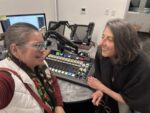 Temporary change of venue, Salem Poetry Project will be temporarily at the Salem First Presbyterian Church. Liz Schillinger Cruz produces and hosts Word Up, a lively radio program celebrating writers, bookmonsters, and musicians. What’s more fun than to explore the creative experience? Tonight several poet-guests from , ...
 - 1EARLY BIRD SPECIAL: 2026 Next Generation Short Story AwardsAll DayThe Next Generation Short Story Awards is a not-for-profit awards program open to authors writing original unpublished short stories in English. Submissions accepted: Short stories and poems (5,000 words or less) Categories: 30+ Deadline: February 26, 2026 Winners’ Prizes: Winners in each category receive , ...Prompt at Powell’s City of BooksAll DayPrompt is an 8-week writing group full of freewriting, listening, and strengths-based feedback, hosted behind-the-scenes at Powell’s City of Books! With accountability and community built in – as well as a huge selection of books for inspiration – you’ll be sure to come away with tons of new ideas. , ...
- 2Prompt at Powell’s City of BooksAll DayPrompt is an 8-week writing group full of freewriting, listening, and strengths-based feedback, hosted behind-the-scenes at Powell’s City of Books! With accountability and community built in – as well as a huge selection of books for inspiration – you’ll be sure to come away with tons of new ideas. , ...